Seasonal sun studies
Sun and shade, through the year.
The same room can feel quite different in June and December. A seasonal study shows where the sun will fall, so you can decide where to sit, where to shade and how to open a room to the outdoors.
Concept room · Tampa
South-facing opening · 2027
20 March 2027
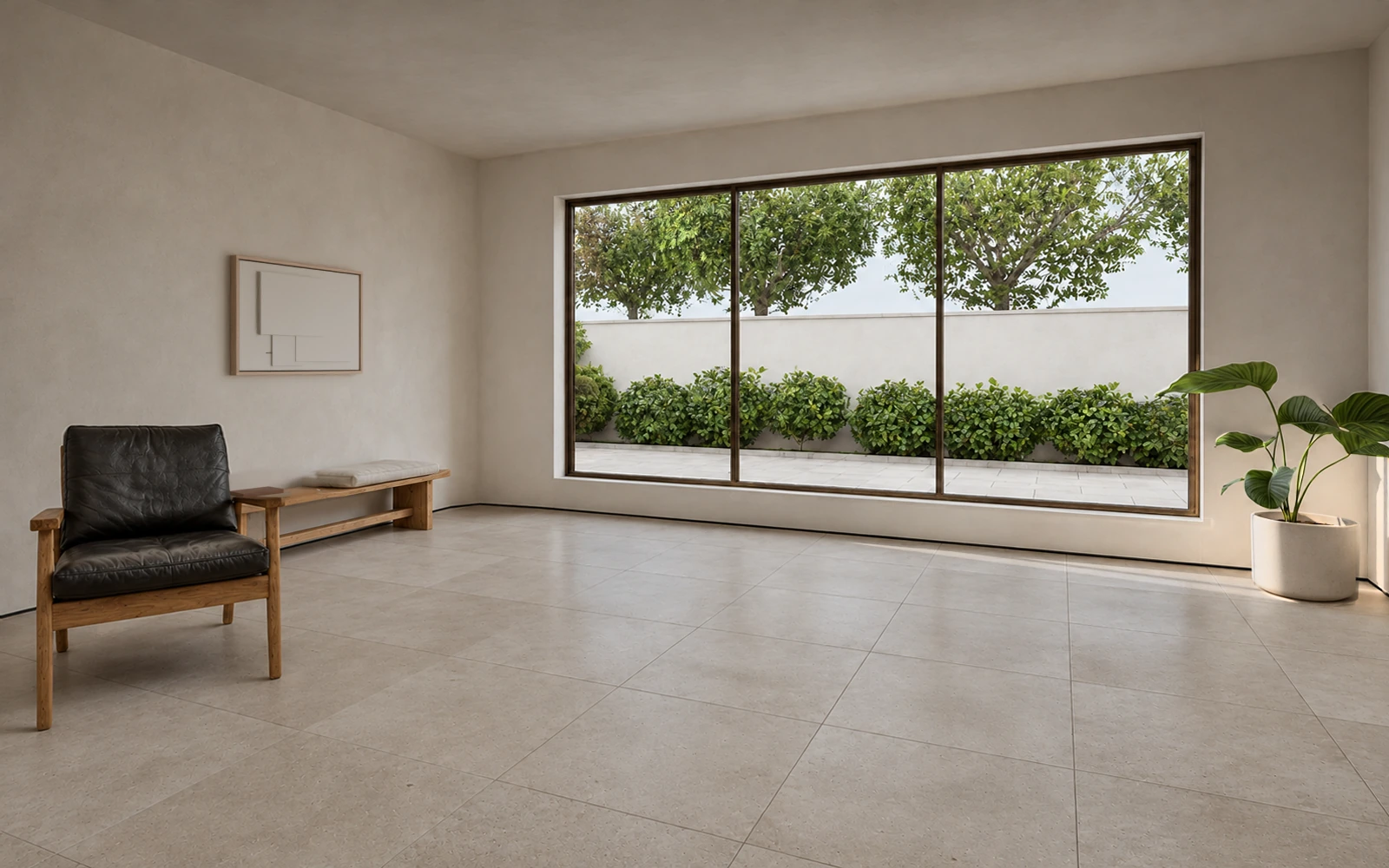
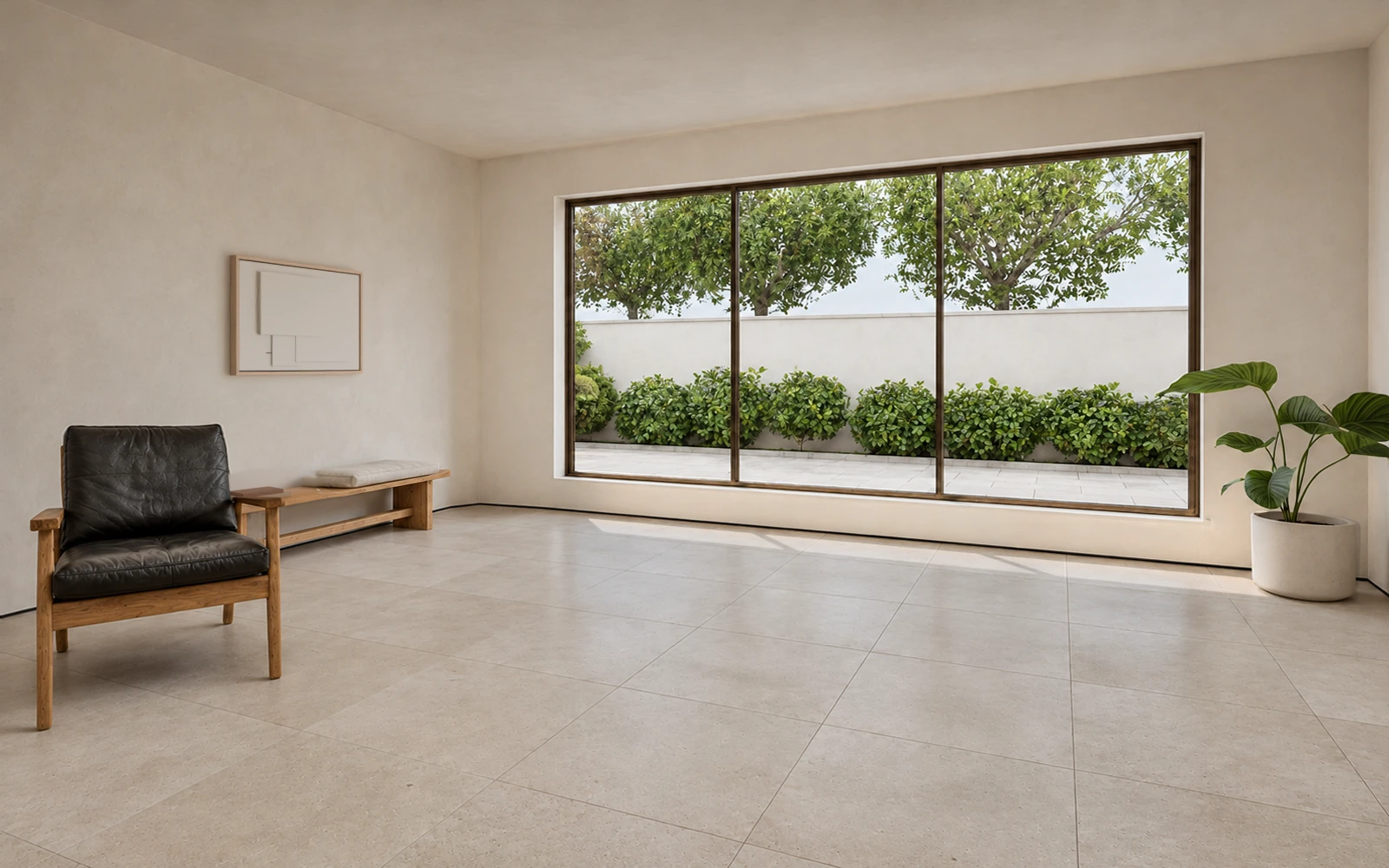
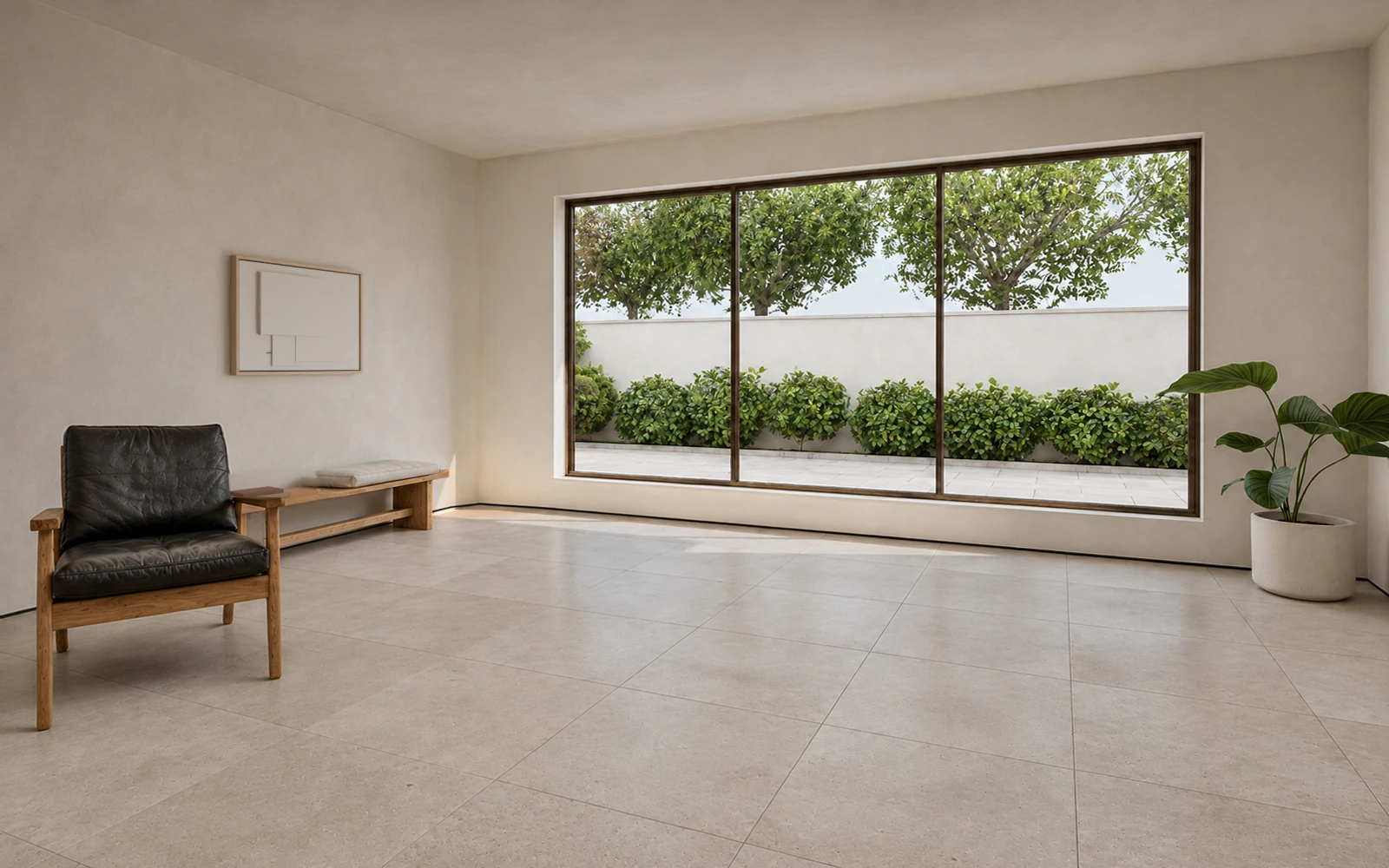
21 June 2027
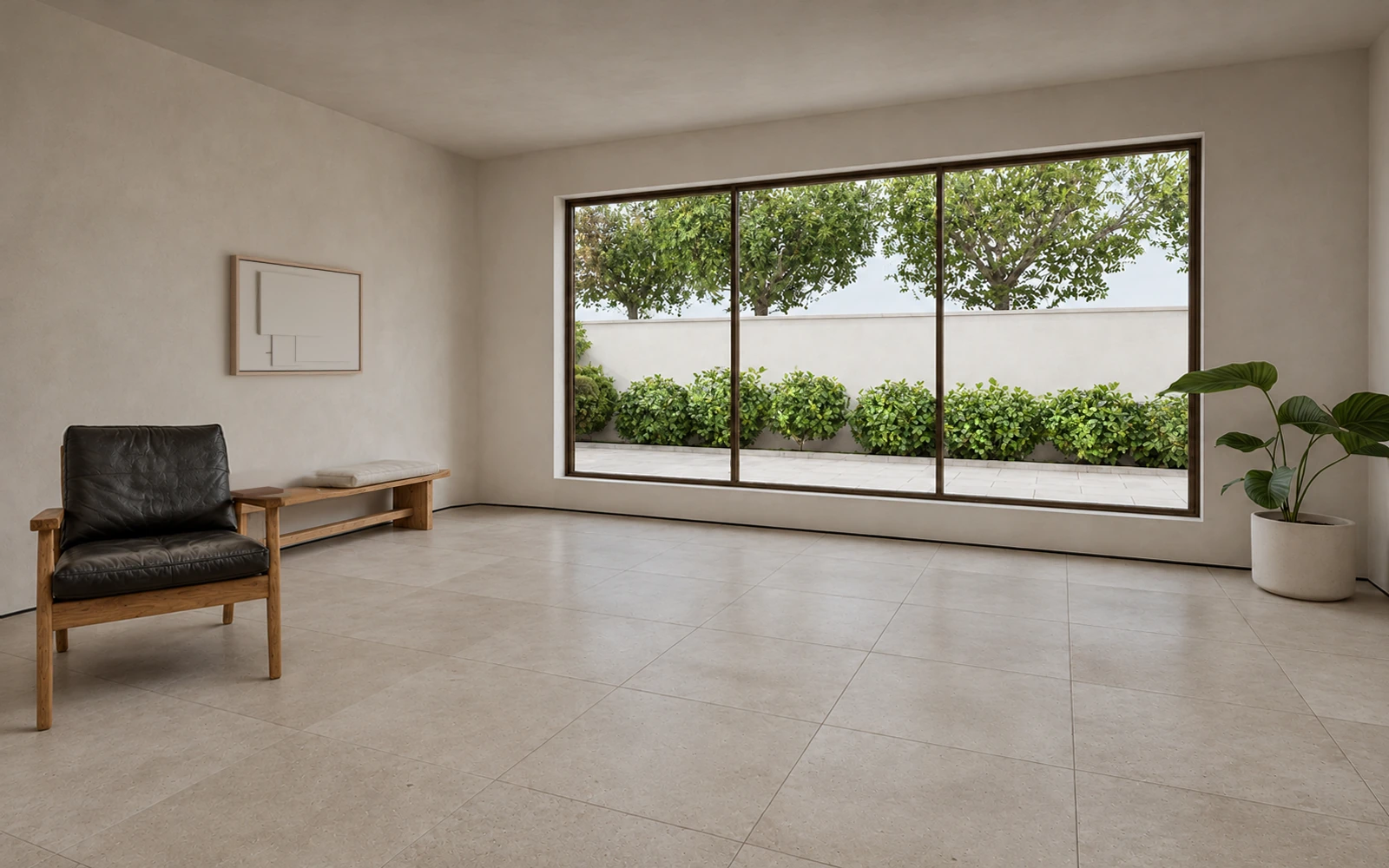
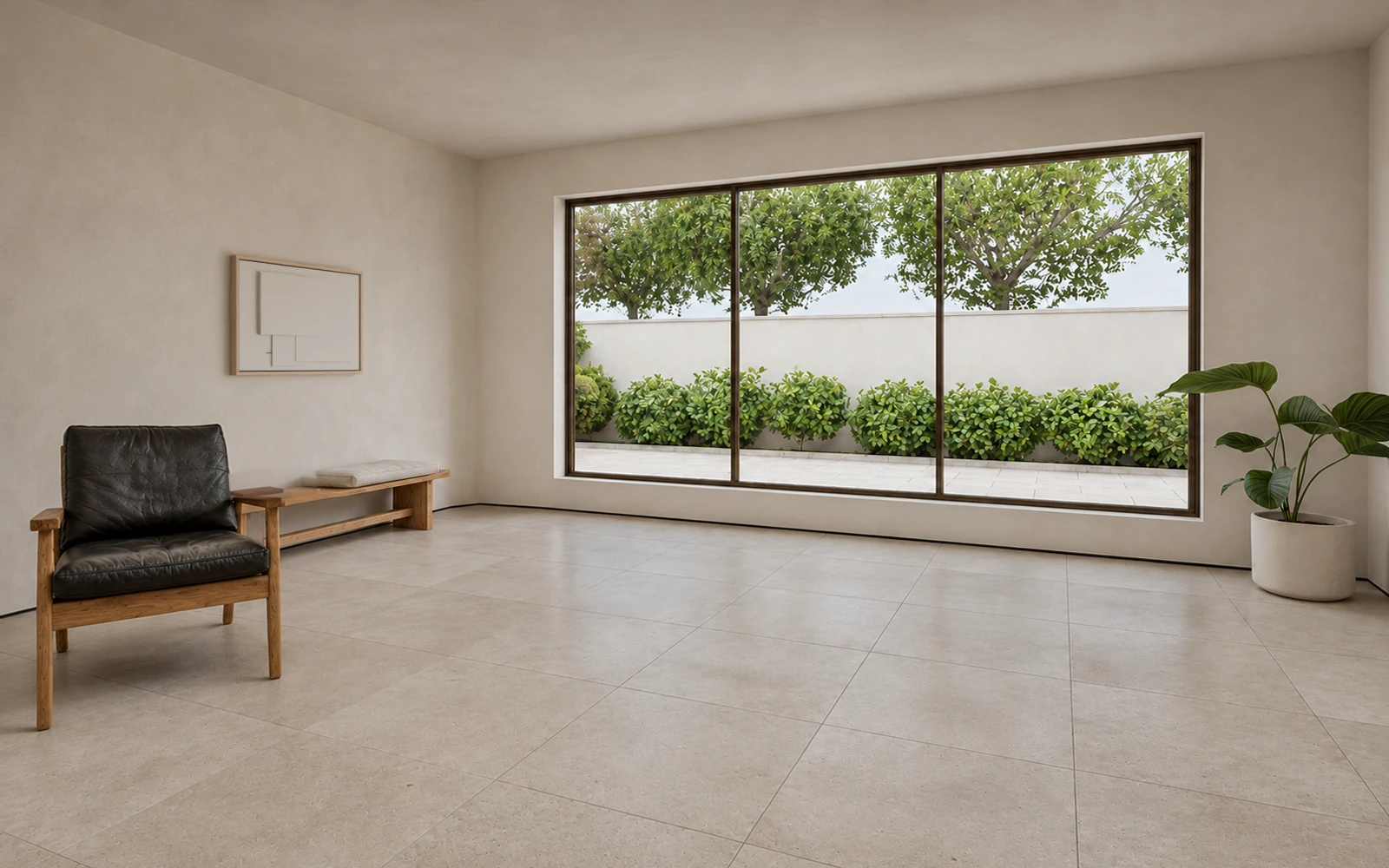
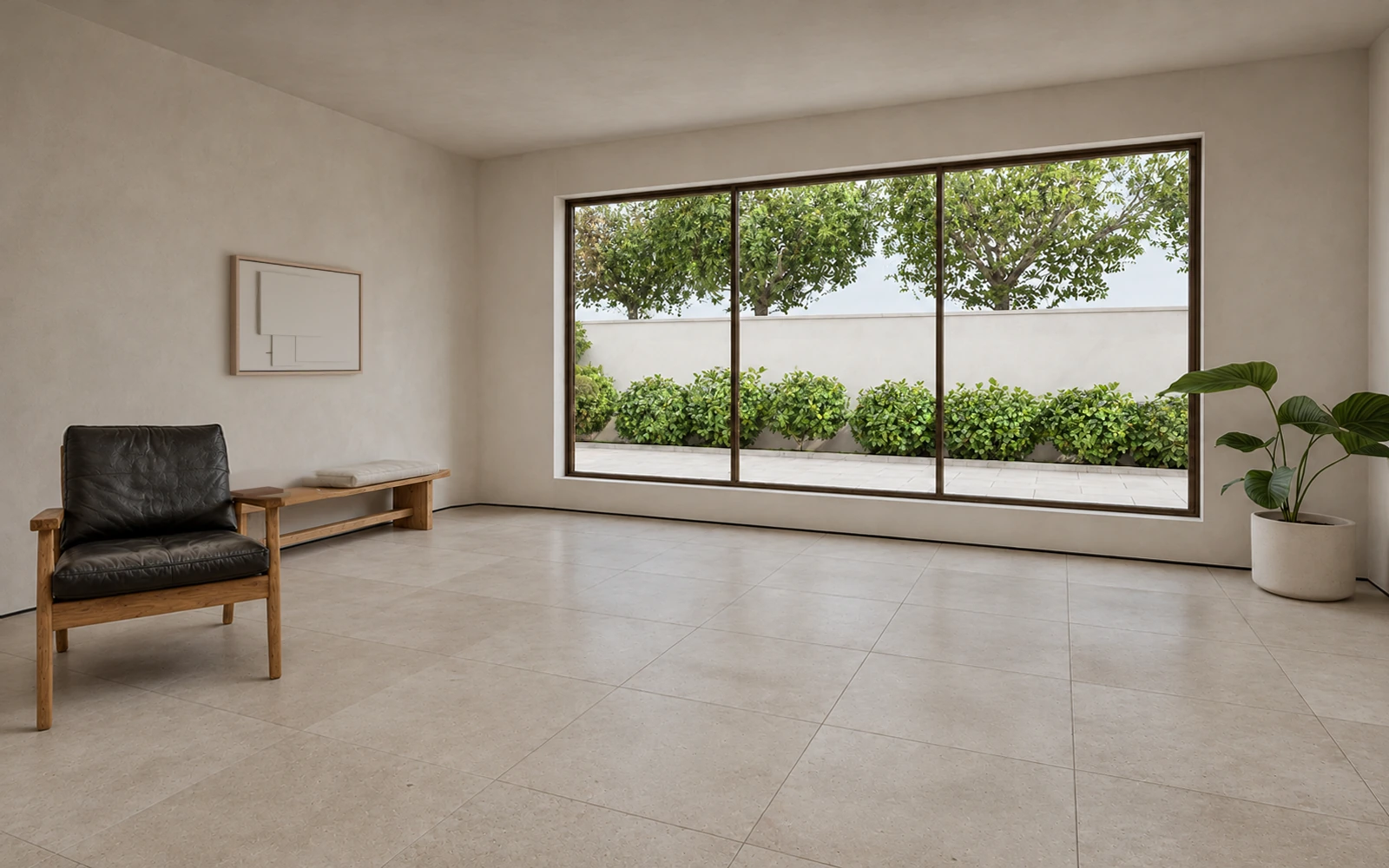
23 September 2027
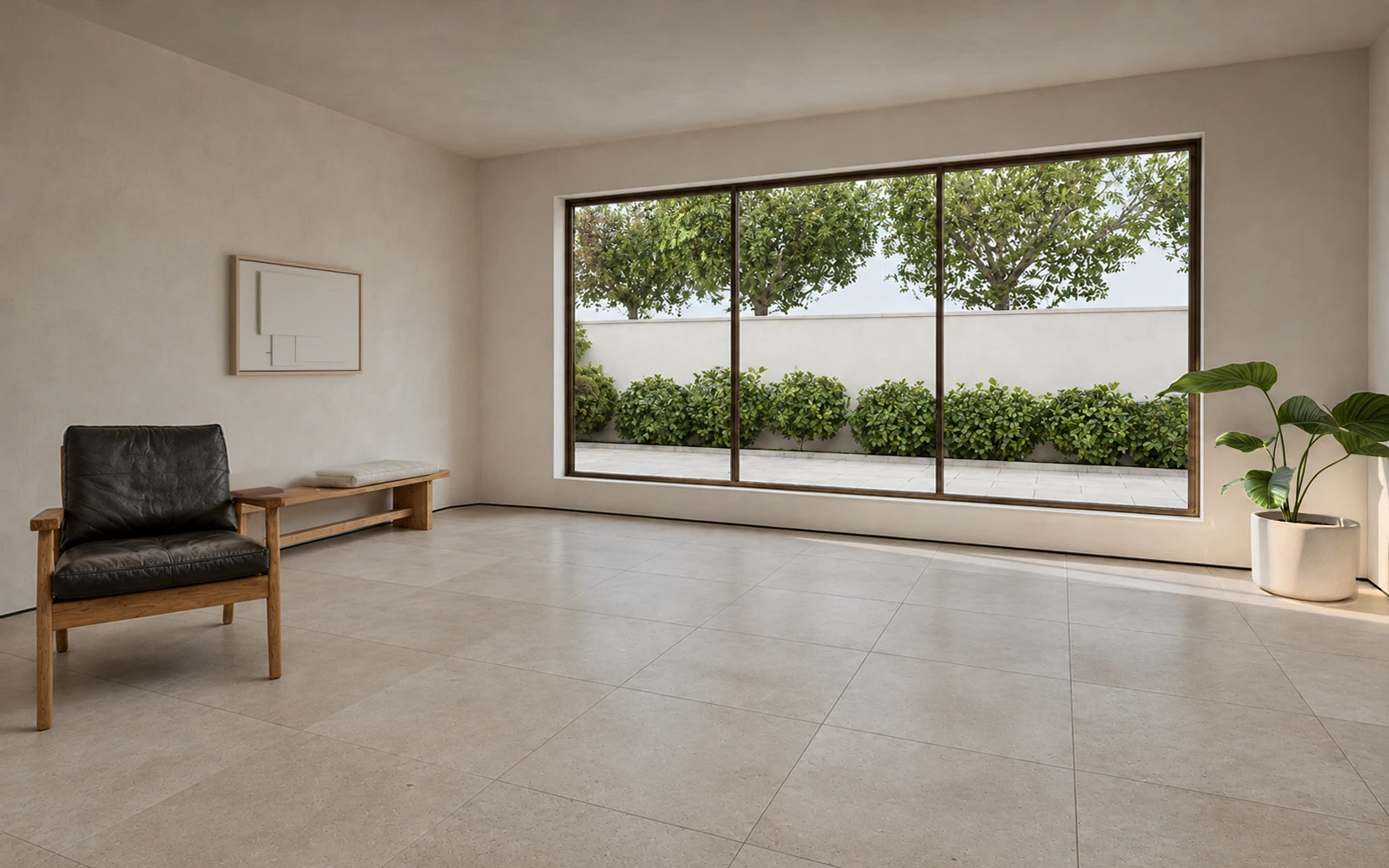
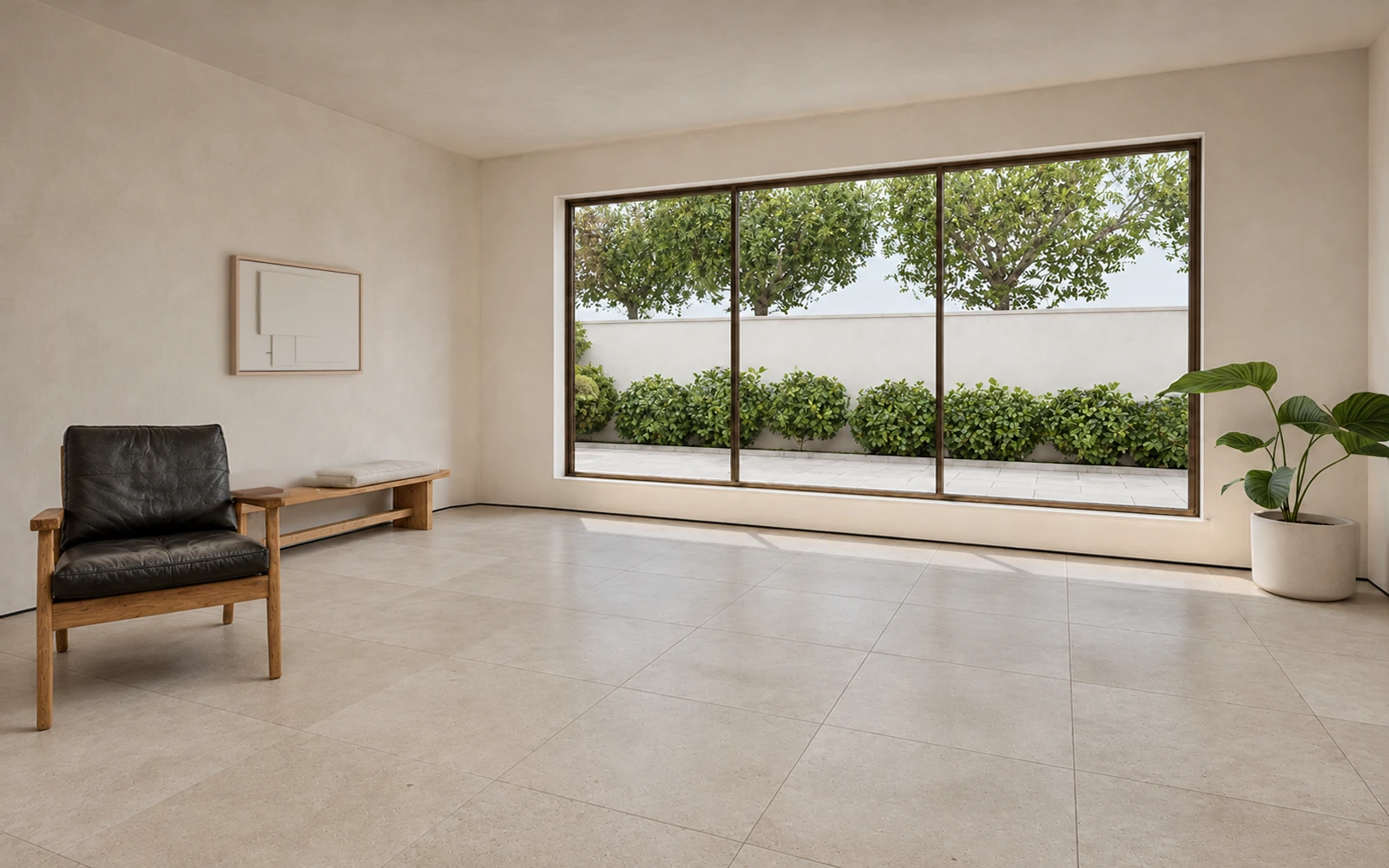
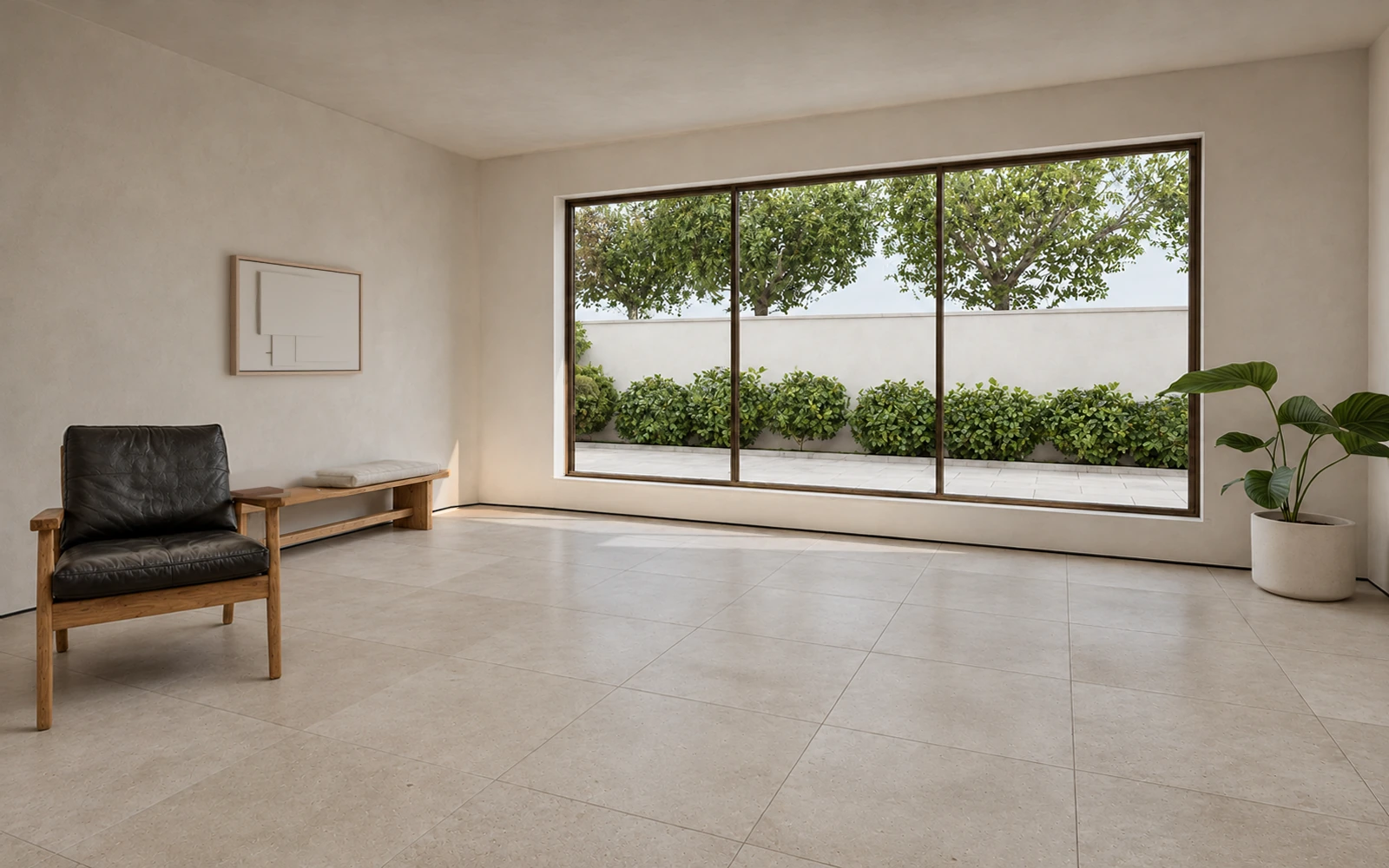
21 December 2027
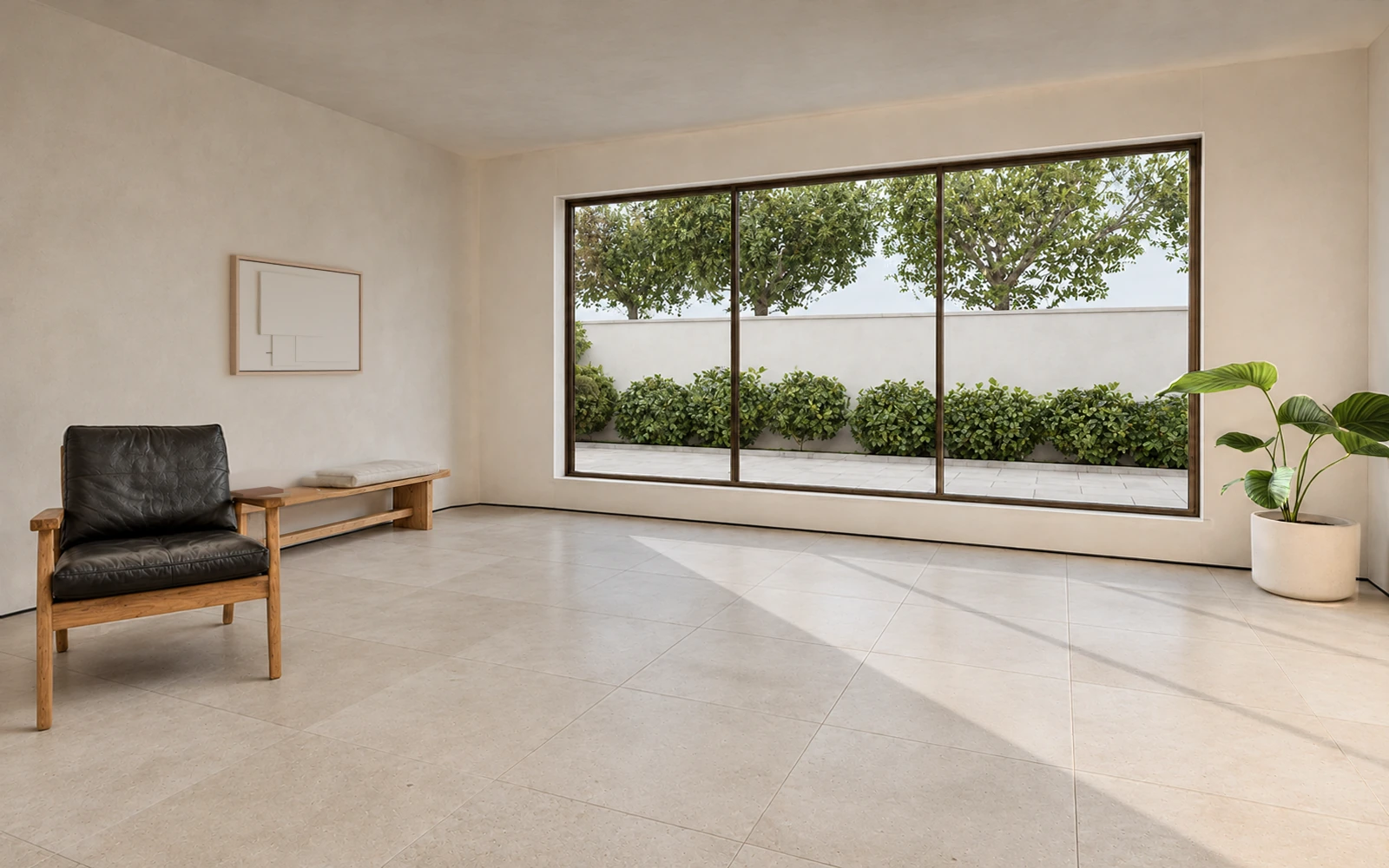
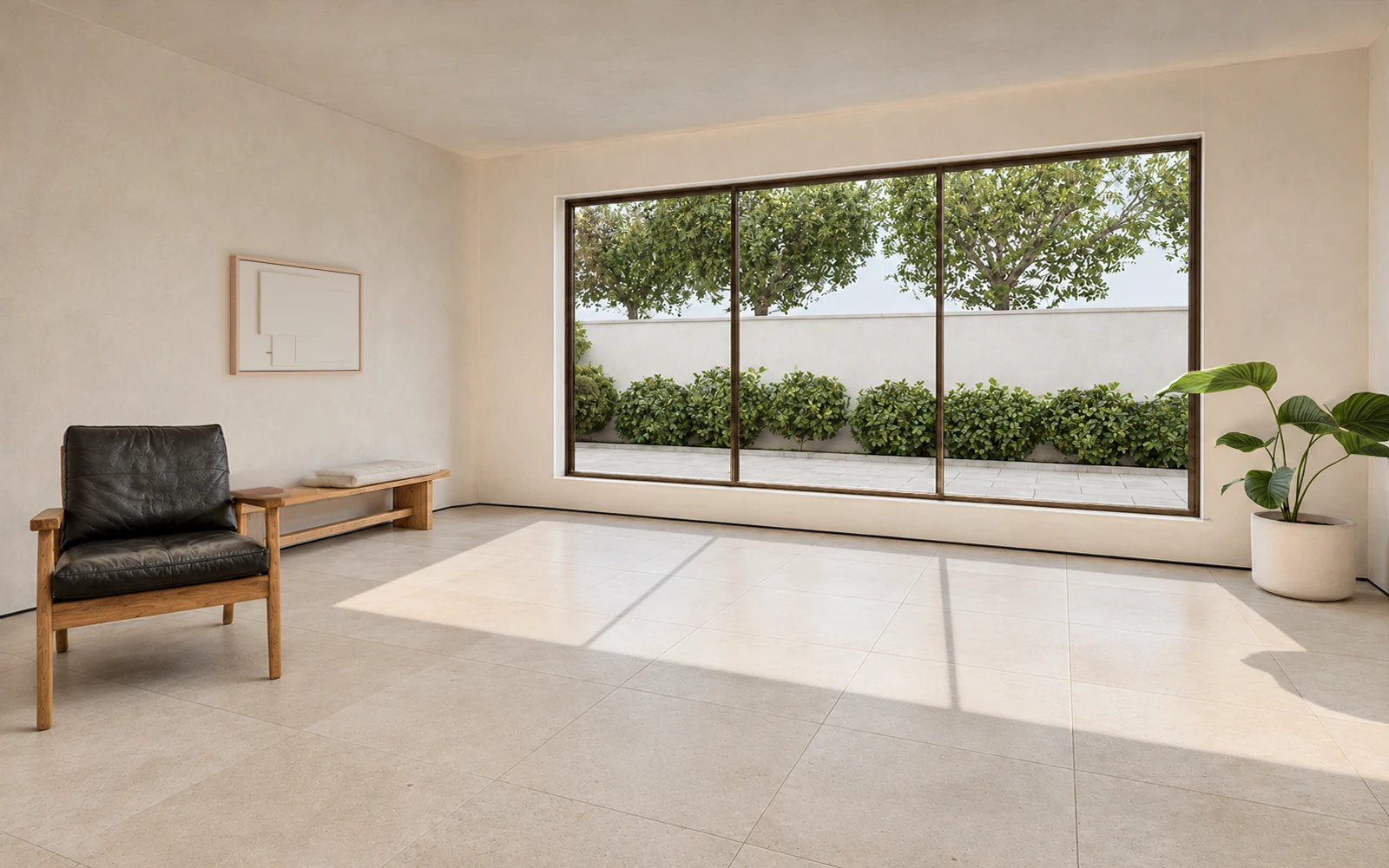
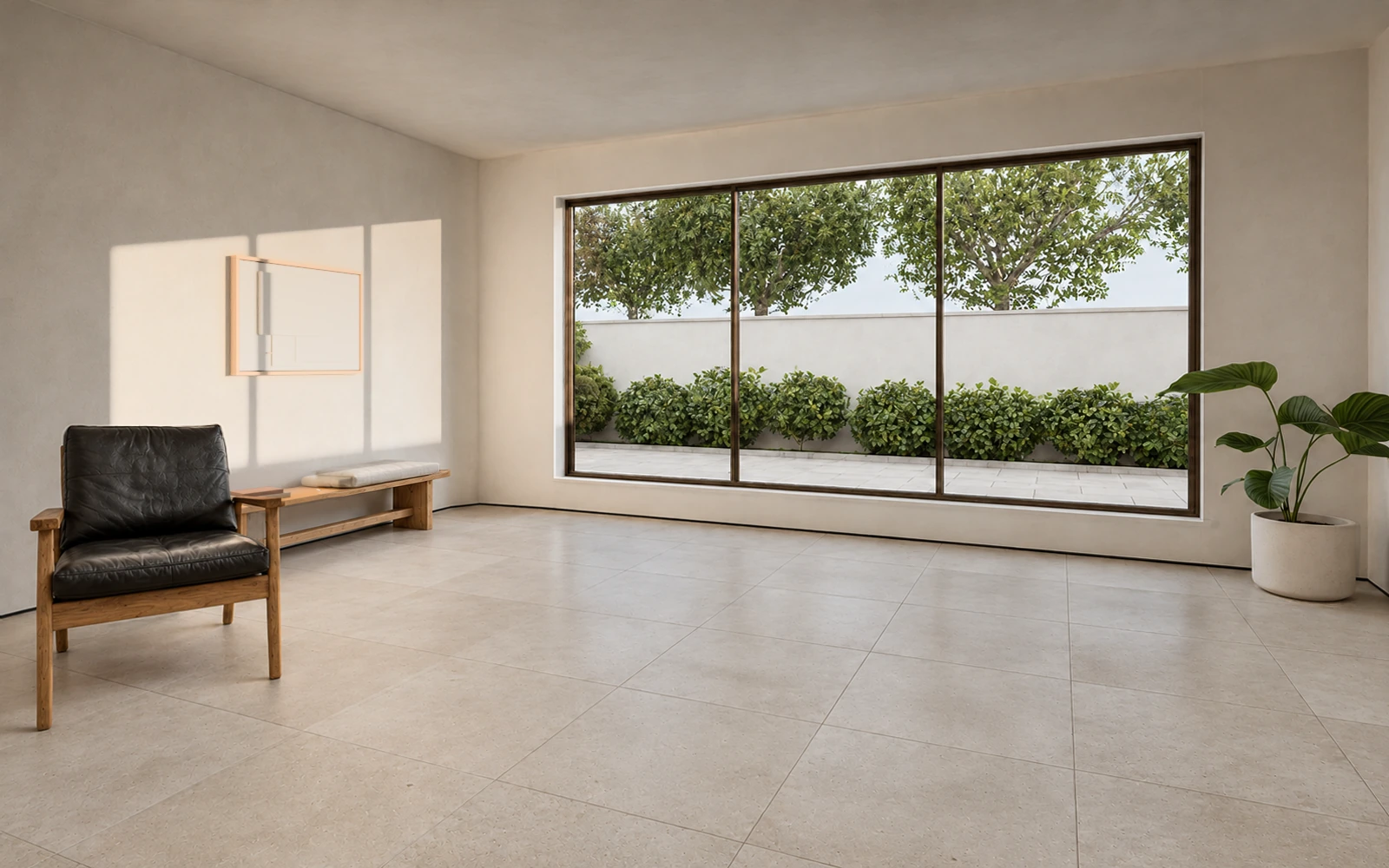
Photographic concept views of one room, guided by calculated sun positions and modeled shadows for each date and time. Times follow Tampa's local clock, including daylight saving, so noon means 12:00 on the clock. The study compares where direct sun falls; it is not an analysis of light levels, heat or weather.
Light, in context
At noon in June, the floor of this room stays in shade. At noon in December, a wide band of sun reaches across it.
A study for your project can be set anywhere. It begins with the location and orientation, then models the windows, overhangs and surrounding obstructions from the drawings and available references. Selected dates and local times bring the changing angle of the sun into the room.
We usually begin with two to four dates across the year, with morning, noon and evening at each. More dates, times or viewpoints can be added wherever a decision deserves a closer look, such as a west-facing terrace in late summer.
Place & orientation
Where the home is, which way it faces, and what surrounds it.
Dates & local times
A set of useful comparisons, chosen around the questions the design needs to answer.
Room & viewpoint
Windows, shade and the places people will use, seen from the views that matter.
A separate interactive example
Try the sun-path diagram.
A simple diagram room in three example cities, with its own simplified geometry. Hold the date and time steady and turn the window from south to north to see how much orientation changes.
See how the sun will move through your own project, wherever it is.
Inquire about a sun study